
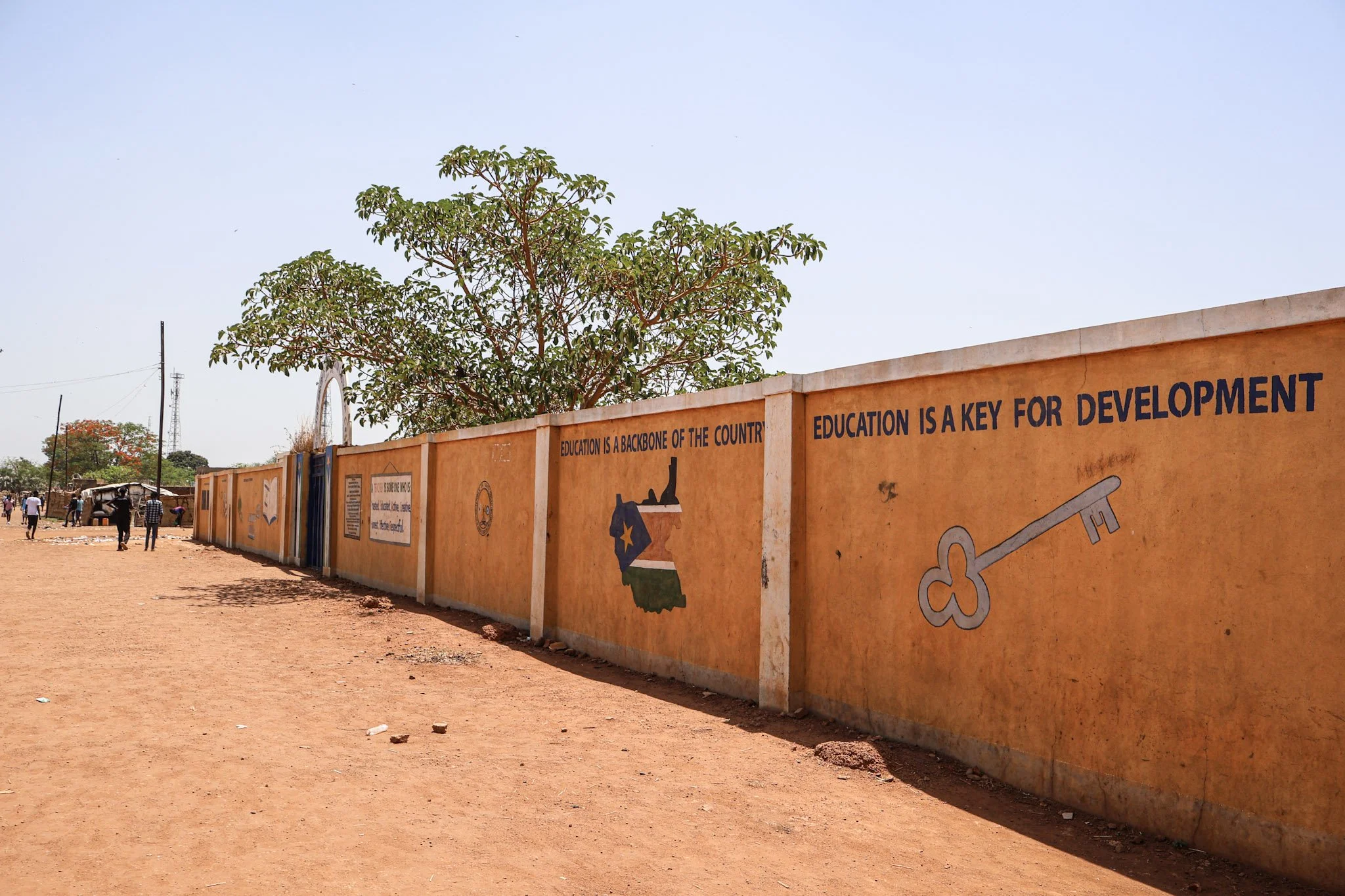
Reports & research
We deliver impactful programmes and projects that uphold our high standards and values.
We strive to be accountable to the people we support – and to those who support us, like our partners, funders and staff.
Here you will find some of the ways that we do this – from our legal reports and accounts, to the ways in which we contribute to research and development on issues affecting education for conflict-affected and marginalised communities.
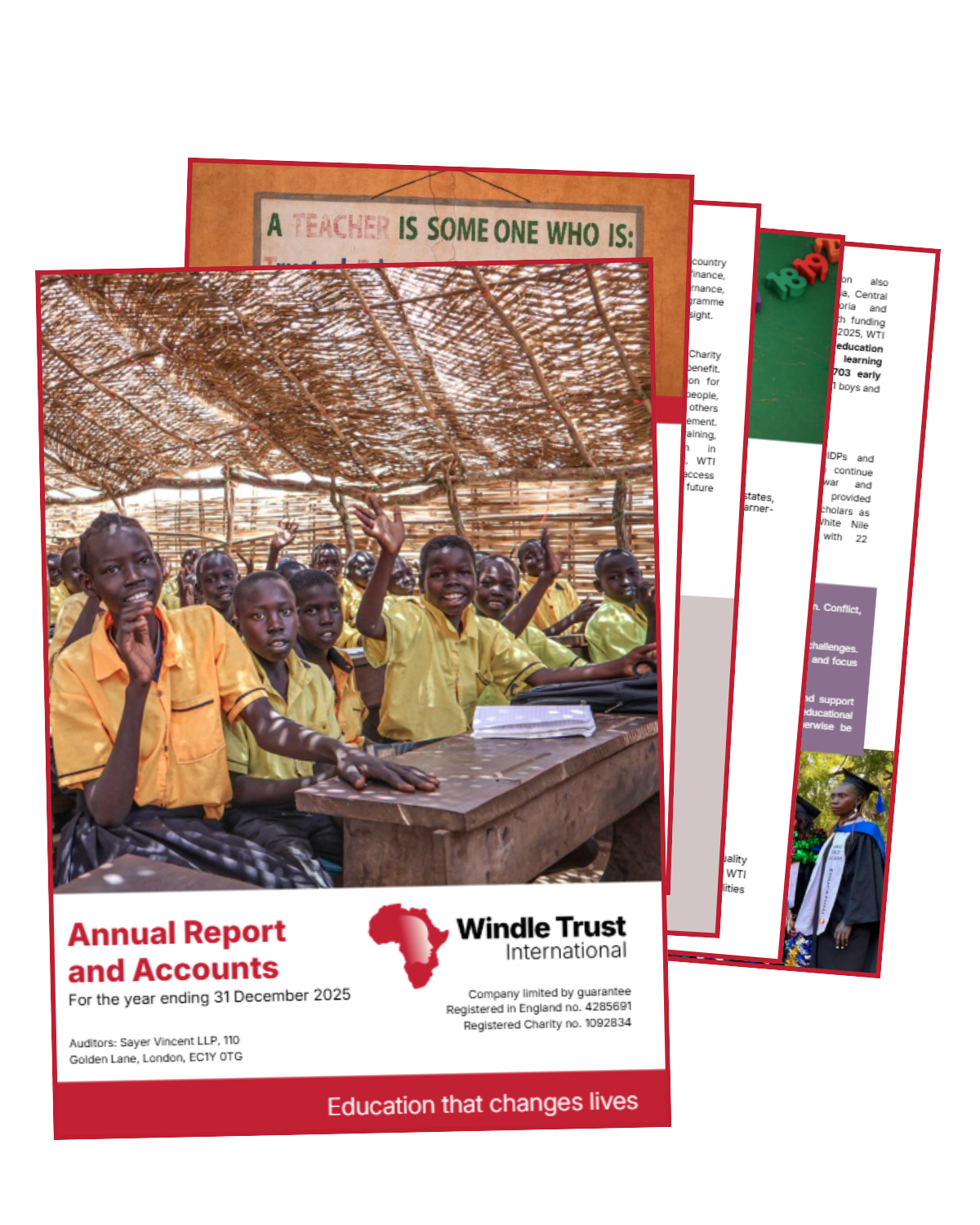
Our impact in 2025
2025 marked the final year of Windle Trust International’s 2021–2025 strategy, a period shaped by continued conflict, displacement, and sustained pressure on education systems across the East and Horn of Africa.
Despite ongoing conflict, disruption across the aid sector, and funding reductions, we remain committed to delivering education for refugees, internally displaced people and communities affected by conflict, displacement, and marginalisation.
Our Research
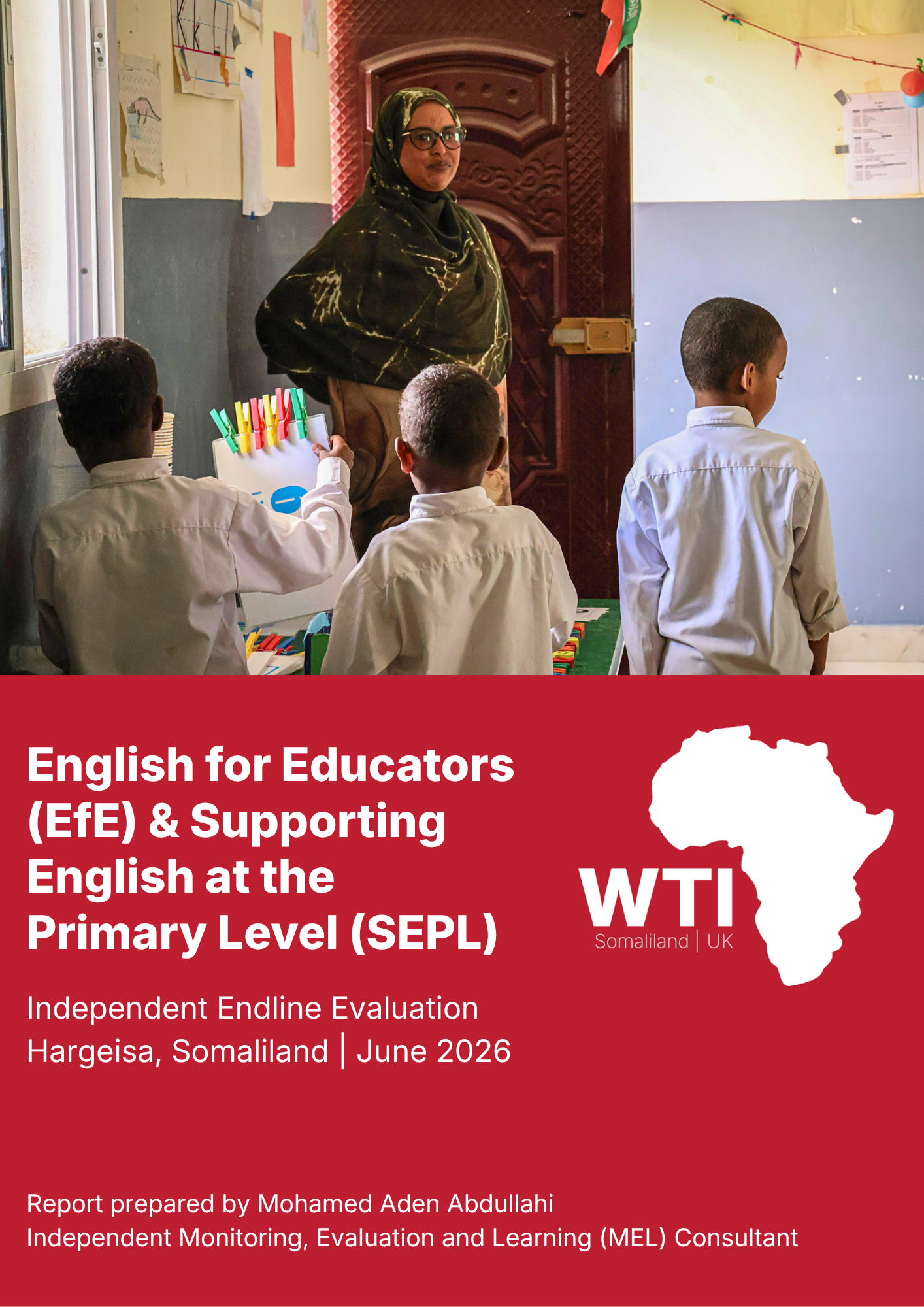
English Language Programmes in Somaliland
WTI’s English for Educators (EfE) and Supporting English at the Primary Level (SEPL) programmes aim to strengthen English language proficiency and teaching practice among teachers and education professionals in Somaliland. Delivered in partnership with the Ministry of Education and Science, Edna Adan University & Hospital, the Pharo Foundation and the National Teacher Training College, the programmes use CEFR-aligned curricula to support more confident, communicative and learner-centred teaching.
This independent endline evaluation assesses the programmes against the OECD-DAC criteria and examines their effectiveness, impact and sustainability. The findings show strong evidence of improved English proficiency and positive changes in classroom practice, while also highlighting lessons for strengthening institutional ownership, accessibility and long-term sustainability.
Research
Our unique position and experience means we are able to undertake original research that contributes to everyone’s understanding of the context in which we work, and helps us to develop new ways of addressing the issues faced by communities affected by conflict.