Expanding access
Being able to access good quality education is a basic human right.
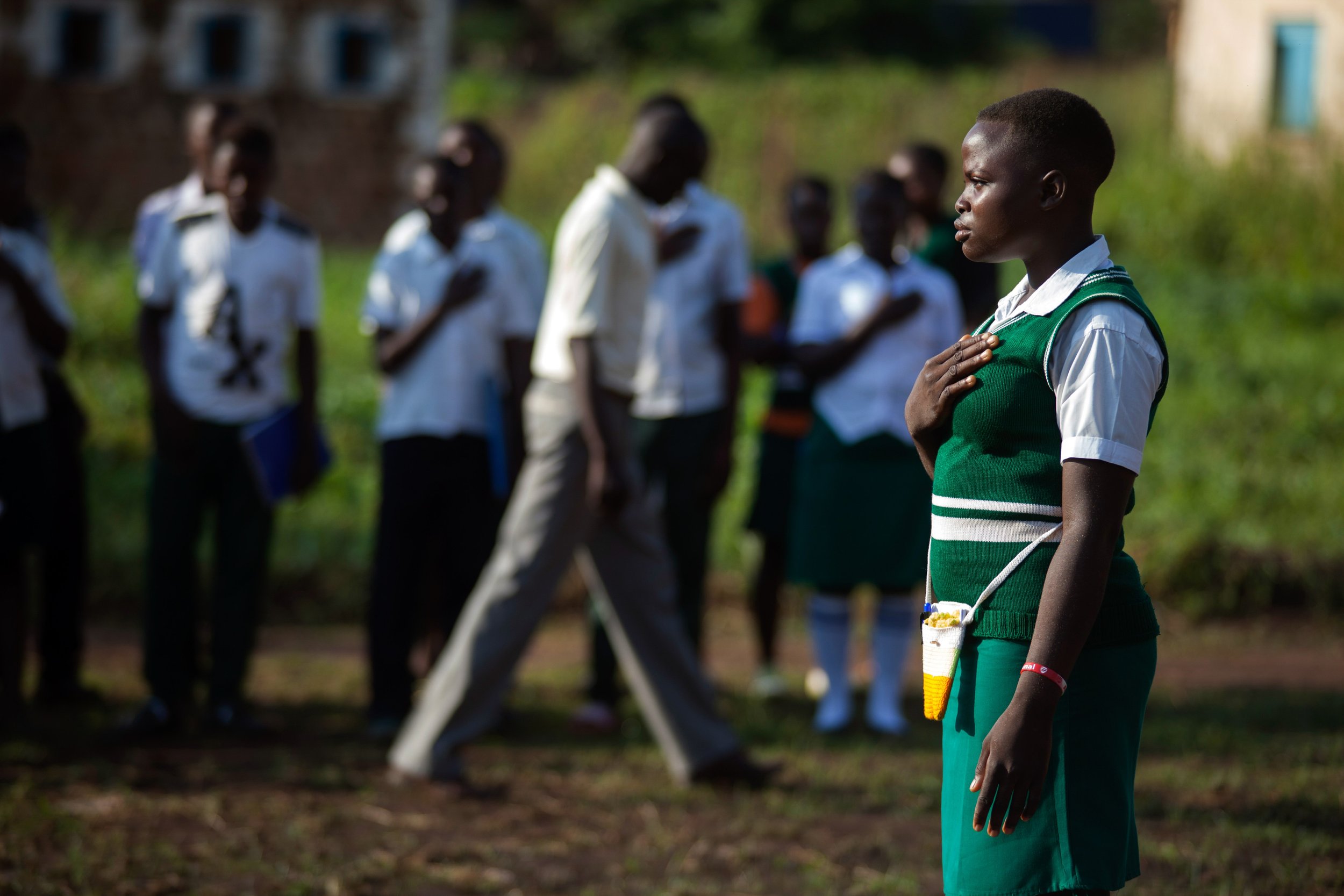
Goal 2 of our 2026-2030 Strategic Plan is to expand access to quality education, especially for girls, women, and children with disabilities.
In conflict-affected regions, many children face barriers like displacement, poverty, and cultural challenges that prevent access to education, particularly for girls and children with disabilities.
How do we expand access to education?
By focusing on education for girls and marginalised learners, our interventions bring about far-reaching benefits for everybody. We work closely with families, community leaders, governments, and other local stakeholders to ensure equitable access for all.
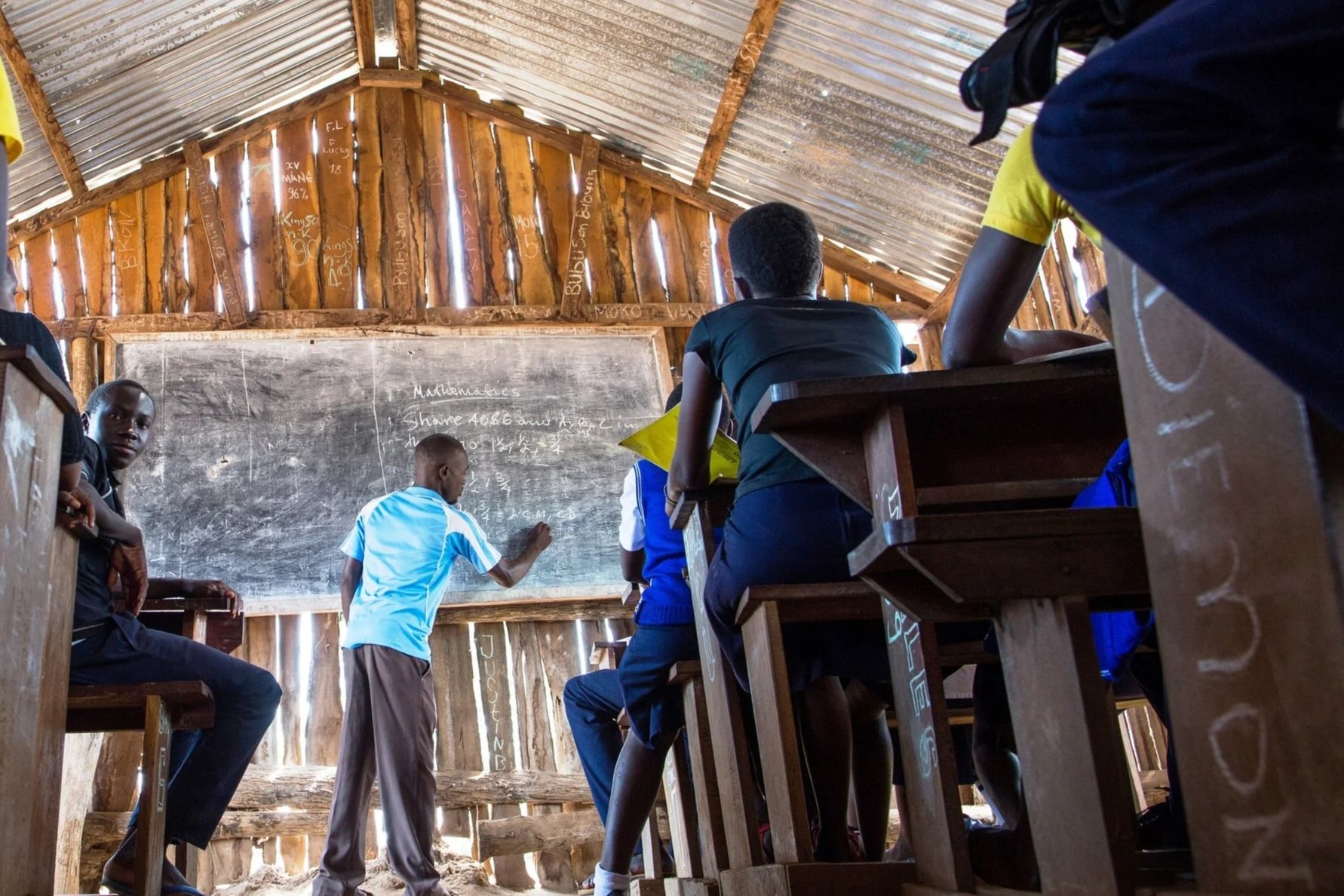
Our projects help to dismantle barriers to learning by providing physical access, creating inclusive and supportive learning environments, and tailored strategies for individual learning needs.

Our girls’ education projects take a holistic approach and aim to:
Reduce child and maternal mortality rates
Improve children’s health and nutrition
Enable more women to participate in politics, and having a say in matters that affect them
Protect girls from HIV/AIDS, abuse and exploitation
Increase income for girls (because studies show that for every year over the mean average that a child stays in secondary school, future earnings are boosted - particularly for girls)
Accelerate economic growth, increasing food security and lowering birth rates

Addressing inequality through scholarships
Millions of people miss out on education every year.
Factors like being a refugee, living in poverty, or being discriminated against because of your religion, political affiliation, gender, or where you were born, have created dramatic inequality when it comes to being able to go to school or university. This is a particular problem in conflict-affected regions.
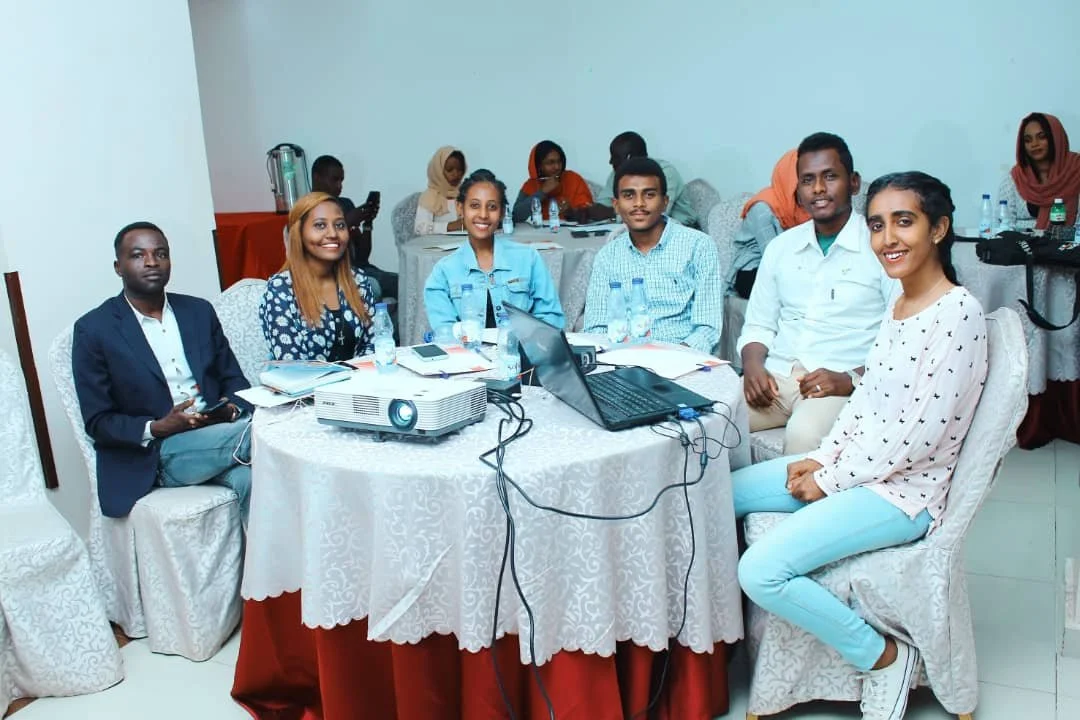
For over 30 years, we have provided and managed scholarships to children and adults as a way of overcoming this.
Our scholarships offer people an opportunity to study at secondary, undergraduate, and postgraduate levels, with a special focus on people who are refugees, or have been marginalised in their communities.