
WTI Alumni Changemaker: Julius Peter Ocen
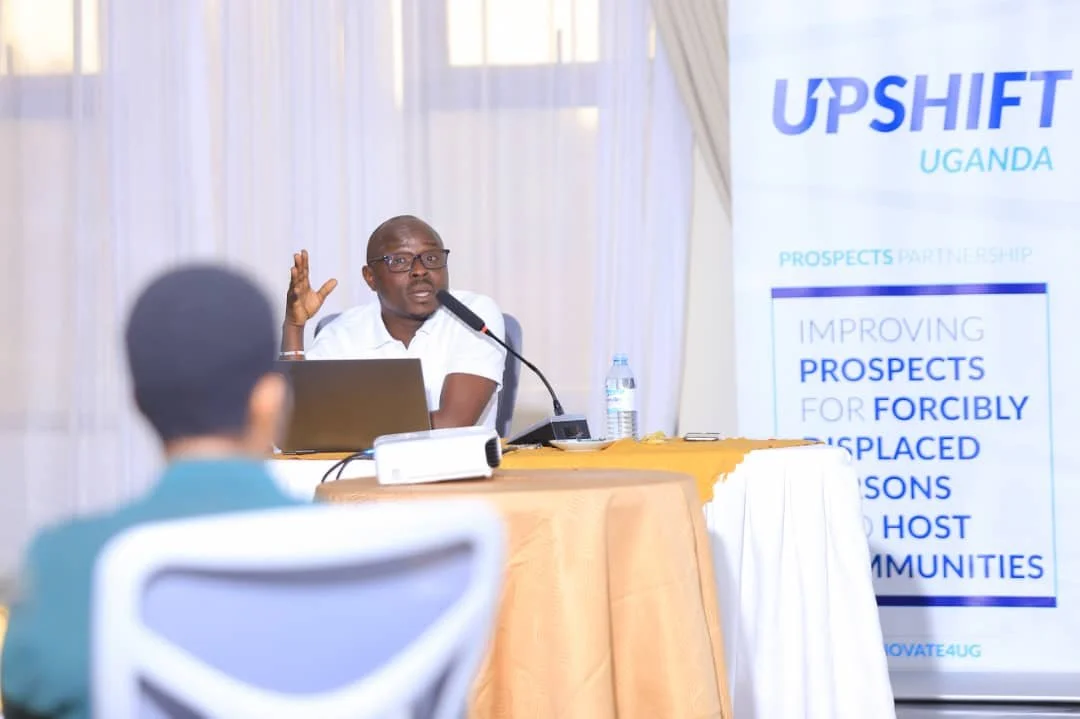
Julius Peter Ocen is helping expand access to education, skills development and employment opportunities for young people across Uganda.
From WTI scholar to creating opportunities for refugee and host communities in Uganda
WTI alumni Julius Peter Ocen is using his expertise in education and development to expand opportunities for young people across Uganda. From supporting access to education to leading skills and livelihoods programmes, Julius is helping refugee and host-community young people connect learning with real opportunities.
Meet the changemaker
Name: Julius Peter Ocen
Country: Uganda
Studied: : MA in Education, Gender and International Development, University College London (UCL)
Current role: Programme Lead for Livelihoods and Skilling, Windle International Uganda
Hi Julius! Can you tell us about yourself and your journey since becoming WTI alumni?
I am from Uganda, specifically Northern Uganda in what is now Amolatar District. I come from a region deeply affected by conflict and recovery, and much of my work has focused on supporting refugee and host communities.
I am currently Programme Lead for Livelihoods and Skilling at Windle International Uganda. Since completing the programme, I have moved from Regional Programme Coordinator to this leadership role, where I design and oversee education and youth employability initiatives across refugee settlements and host communities in West Nile, the Albertine region and Karamoja.
The work includes large-scale school feeding programmes, digital learning centres and skills training that connect young people to real opportunities.
How have you used your skills and experience to create positive change in your community and beyond?
I have helped expand access to quality education and skills development for thousands of refugee and host-community children and young people, many of them girls and young mothers who might otherwise have been left behind.
Through partnerships with government, UN agencies and private organisations, my teams have reached over 60,000 learners and supported practical livelihood pathways that build resilience.
At community level, I continue to volunteer in my home district, working with local leaders to keep girls in school and prevent early marriage.
What achievement are you most proud of?
I am particularly proud of leading the successful launch and expansion of the WeWork project, an Enabel-funded initiative, and i-UPSHIFT, an ILO-funded project.
These initiatives have already trained over 1,200 young people in green economy skills and placed many more into work-based learning.
Seeing young people from refugee backgrounds gain confidence and employment has been deeply rewarding. It shows what is possible when education connects directly to opportunity.
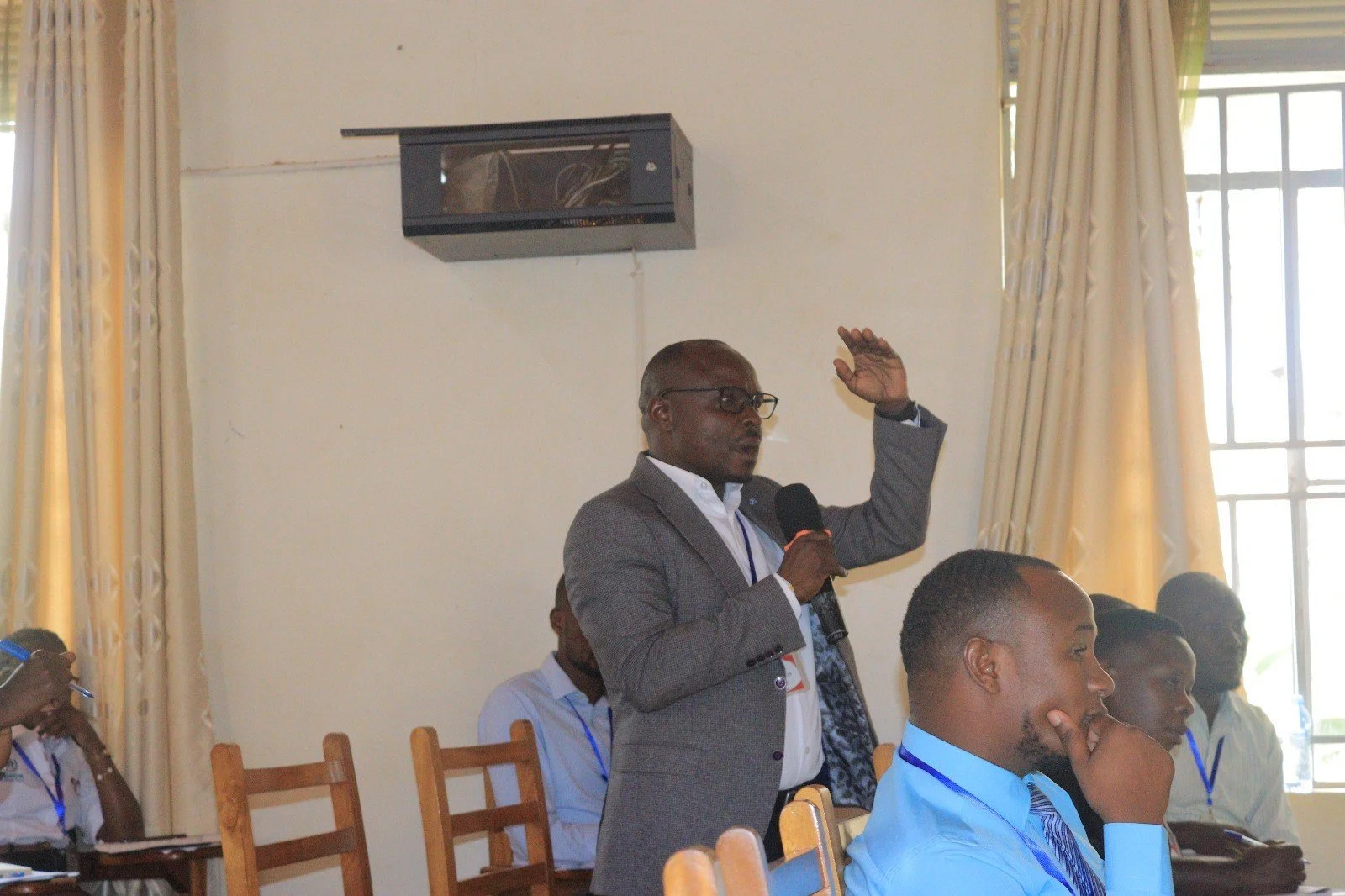
How did the WTI Postgraduate Programme help you achieve your goals?
The programme gave me deeper knowledge, critical thinking skills and the confidence to lead more strategically.
Studying at UCL broadened my understanding of gender and development issues, while the scholarship experience strengthened my commitment to inclusive, evidence-based programming.
Most importantly, it equipped me with the tools to design programmes that combine education with real livelihoods support, work I am now doing every day.
What hopes do you have for the future?
For myself, I hope to take on even greater leadership responsibilities and perhaps contribute to policy thinking through further study or a think tank.
For my community and country, Uganda, I want to see every child, especially girls and those affected by displacement, receive a quality education that leads to dignity and self-reliance.
Globally, I hope we move towards more inclusive systems that value local knowledge and give young people in crisis settings a real chance to shape their own futures.
And finally, what advice would you give future WTI scholars?
I would advise future WTI scholars to stay deeply connected to their roots and the people they serve.
Use the knowledge you gain not just to advance your career, but to solve real problems on the ground. Be patient but persistent, work collaboratively, and never underestimate the power of combining compassion with clear strategy.
The scholarship is a privilege; make it count for those who come after you.