
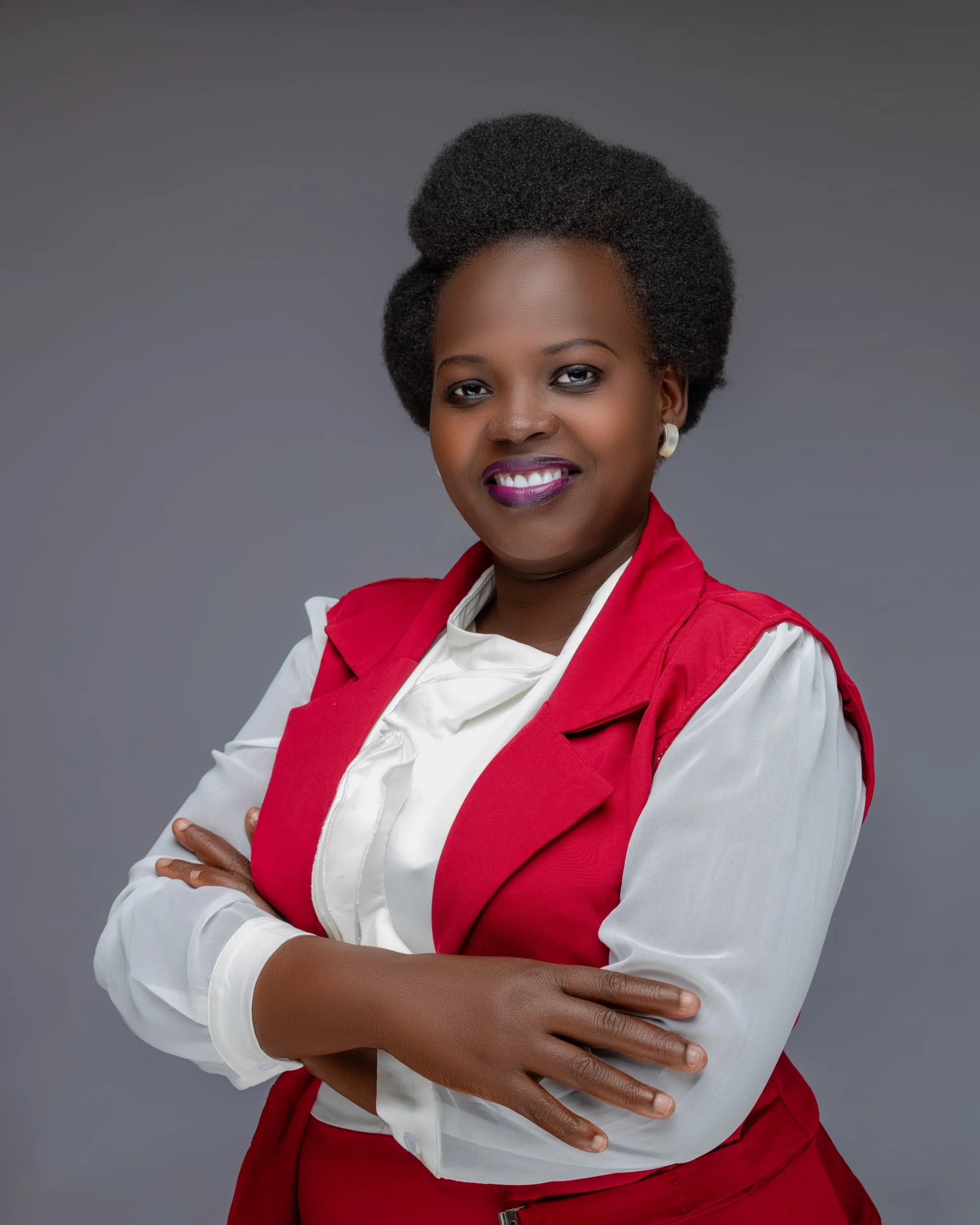
Sarah Rachael Akello is using her expertise in public health and infectious disease epidemiology to help strengthen communities and health systems in Uganda.
From WTI scholar to public health leader strengthening communities in Uganda
A WTI scholarship opened the door for Sarah Rachael Akello to deepen her expertise in public health. Today, she is using her knowledge and experience to strengthen Uganda’s health systems, respond to public health emergencies and support communities through education, health and livelihoods initiatives.
From contributing to Uganda’s response to Ebola and other infectious disease outbreaks, to founding a community organisation supporting vulnerable communities, Sarah’s journey demonstrates the long-term impact of investing in people who are committed to creating change.
Meet the changemaker
Name: Sarah Rachael Akello
Country: Uganda
Studied: Master of Public Health (International), University of Leeds
Current role: Head of Communication and Public Engagement, Mbale Clinical Research Institute
Hi Sarah! Can you tell us about yourself and your journey since becoming WTI alumni?
I am a Public Health Specialist and Infectious Disease Field Epidemiologist working across disease surveillance, outbreak preparedness, emergency response and community engagement in Uganda.
I currently serve as the Head of Communication and Public Engagement at the Mbale Clinical Research Institute, where I lead community engagement strategies for clinical research and strengthen partnerships between researchers, health workers and communities.
I also volunteer as an Epidemiologist with the Mbale Regional Emergency Operations Centre, supporting surveillance, outbreak investigations and public health preparedness for epidemic-prone diseases.
Since graduating from the University of Leeds, I have served with Uganda’s Ministry of Health through the National Public Health Emergency Operations Centre, supporting responses to Ebola, Mpox, Cholera, Measles, Anthrax and other public health emergencies.
Alongside my professional work, I founded Building Bridges Foundation, a community-based organisation working to improve health, education and sustainable livelihoods for vulnerable communities in Kaberamaido District.
How have you used your skills and experience to create positive change in your community and beyond?
My career has been guided by one principle: ensuring that knowledge leads to meaningful change for communities.
At the national level, I have contributed to strengthening Uganda’s disease surveillance systems, outbreak preparedness, mortality surveillance and emergency response through my work with the Ministry of Health, Emergency Operations Centres and research institutions.
I have supported investigations of infectious disease outbreaks, developed epidemiological reports, trained health workers and contributed to evidence-based public health decision-making.
At community level, through Building Bridges Foundation, I work with schools, local leaders, parents and health professionals to promote school retention, reproductive health education, community awareness, youth empowerment and sustainable livelihoods.
The district continues to face challenges including school dropout rates, especially among girls, child marriage, teenage pregnancy, poverty and limited opportunities for young people.
I also secured funding through the Commonwealth Alumni Community Engagement Fund to implement the “Youth Voices: Embracing Gender and Sexuality” initiative. The programme brought together schools, district leaders, teachers, parents and community members to promote gender equality, inclusive education and healthy life choices, reaching more than 1,000 pupils and wider audiences through community dialogue and radio programmes.
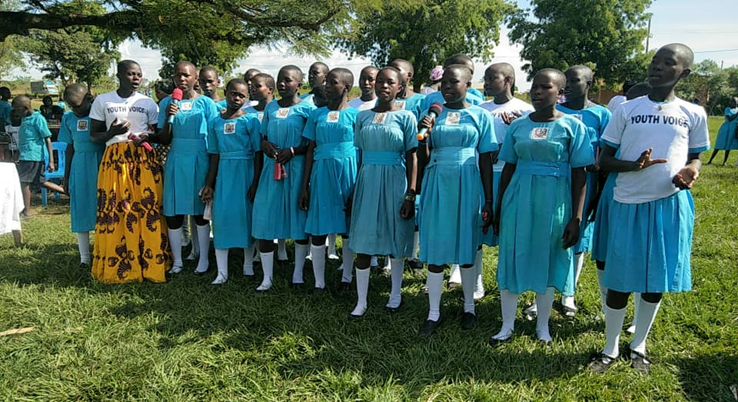
Pictured: One of the school workshops Sarah leads on gender and sexuality.
What achievement are you most proud of?
While I have been fortunate to contribute to national public health emergency responses, the achievement that means the most to me is using my education to improve the lives of vulnerable communities.
I am particularly proud of establishing Building Bridges Foundation and leading initiatives that help children remain in school, empower girls, improve access to health information and strengthen community resilience.
Seeing young people become more confident, informed and hopeful about their future reminds me why I chose a career in public health.
I am also proud of my contribution to Uganda’s response to major disease outbreaks, including Ebola. Knowing that my work helps protect lives and improve preparedness for future public health emergencies is incredibly rewarding.
How did the WTI Postgraduate Programme help you achieve your goals?
The WTI Postgraduate Programme transformed both my professional career and my confidence as a leader.
Studying at the University of Leeds exposed me to global public health approaches, strengthened my analytical and research skills, and broadened my understanding of health systems, health equity and evidence-based decision-making.
It also connected me with an international network of professionals committed to improving lives through research, policy and practice.
Most importantly, the programme inspired me to think beyond employment and focus on creating lasting impact.
It motivated me to pursue further training in Infectious Disease Field Epidemiology, contribute to Uganda’s national emergency response systems, establish a community-based organisation and continue using research and community engagement to improve public health.
The scholarship did not simply fund my education; it empowered me to become a leader capable of creating positive change.
What hopes do you have for the future?
For the future, I hope to continue serving Uganda and contribute to stronger, more resilient health systems that are prepared for future public health emergencies.
I aspire to pursue doctoral studies and become a leader in infectious disease epidemiology, health systems strengthening and implementation research.
I also hope to expand Building Bridges Foundation so it can reach more communities with programmes that improve health, education, gender equality and sustainable livelihoods.
For my community, I hope to see every child complete school, especially girls who are often affected by early marriage, teenage pregnancy and poverty. I want young people to grow up with equal opportunities, access to quality healthcare and the confidence to achieve their dreams.

Pictured: Sarah on a radio talk show on Dwan Waa station discussing gender and sexuality.
And finally, what advice would you give future WTI scholars?
Never see your scholarship as the end goal; it is the beginning of your responsibility.
Use every opportunity to learn, ask questions, build relationships and challenge yourself. The knowledge you gain should not remain in classrooms or research papers; it should improve people’s lives.
Stay connected to your communities, remain humble and remember why you started your journey.
The greatest measure of success is not the degree you earn but the positive difference you make in the lives of others.