
Building Peace Starts in the Classroom
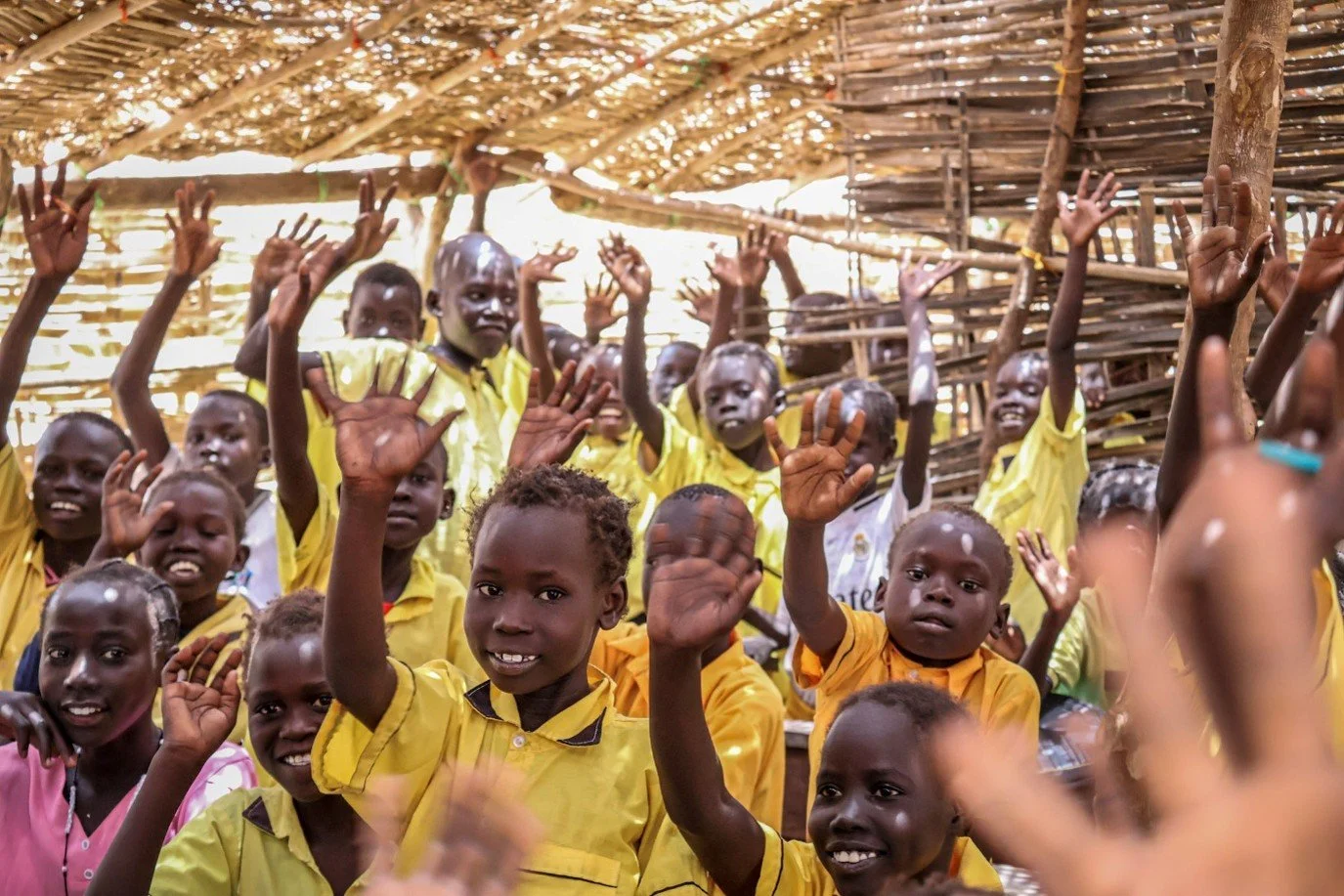
Pictured: Children at St. Bakhita Nursery and Primary School in Northern Bahr el Ghazal State, South Sudan
On the International Day of Peace (21st September), we are reminded that peace is built not only through national agreements, but also through everyday actions in classrooms, playgrounds and communities.
Across South Sudan, school peace clubs are helping learners develop the skills to work together, respect one another, and contribute to a positive school environment. This initiative is part of the Building Resilience of Households and Communities through Integrated Actions in South Sudan programme, in partnership with UNICEF and Kreditanstalt für Wiederaufbau (KfW).
The peace clubs aim to help schools become places where learners, teachers, and the wider community can build the relationships needed for peaceful coexistence. Through activities that foster dialogue and teamwork, the peace clubs give young people practical opportunities to learn how to live together in harmony.
Across the four states, 111 peace club facilitators have been trained and now work with more than 2,600 peace club members. They lead activities including inter-school debates, community peace dialogues, drama, music, and poetry, encouraging communication and social cohesion both in school and at home.
Before the peace clubs were established, many teachers and parents reported frequent incidents of fighting, quarrelling, and other behavioural challenges among learners. Today, school staff and community members describe noticeable improvements in behaviour, with students taking a more active role in promoting respect and tolerance both inside and outside the classroom.
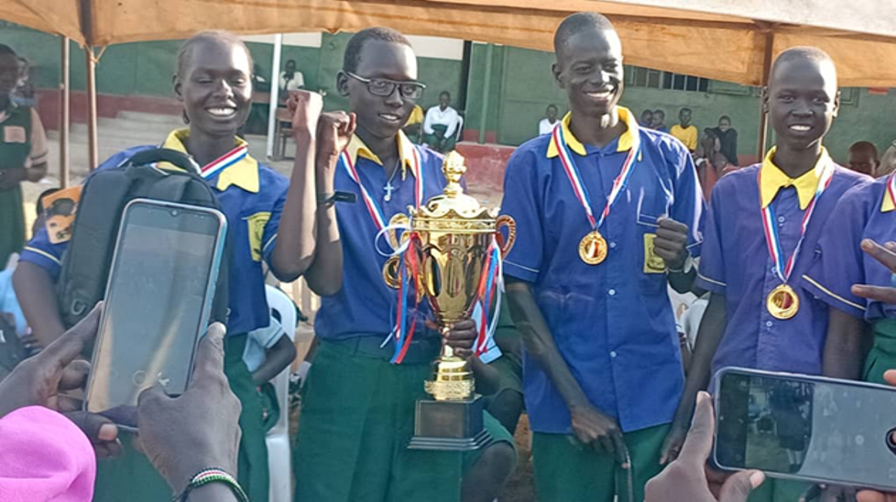
Pictured: The winning team of students at Dr. John Garang Nursery and Primary at their inter-school debate tournament.
Marko Alfonse, Chairperson of the Parent-Teacher Association (PTA) and School Management Committee (SMC) at Torit Model Nursery and Primary School reported, “I am at the school here and I have seen a great change in the learners’ discipline. I am happy with Windle Trust International for establishing peace clubs in the schools and providing training to the peace club members, including inter-school peace debates.”
In Aweil East and Aweil West, peace clubs have also taken on practical leadership roles. The Headteacher of St. Bakhita Nursery and Primary School in Mangar Tong Payam, Aweil East County said, “Peace club members regularly help the school administration in enforcing discipline among learners. During break times, peace club members protect the little children while playing using slides and swings that were installed by Windle Trust International.”
For Paulino Tong, an education champion and peace club facilitator at the same school, the benefits go beyond improved behaviour. “Many children here realised peace is better than fighting. Without peace clubs, we would not be able to handle the cases of conflicts in this school.”
Across the participating schools, peace clubs are encouraging children to develop confidence, empathy, and leadership alongside their education, strengthening relationships within their schools, homes, and communities.
On this International Day of Peace, their experiences are a reminder that building peace often begins with small, consistent actions – and with young people who are empowered to lead by example.