
Educating Girls, Strengthening a Nation: In Conversation with Amina Casayr
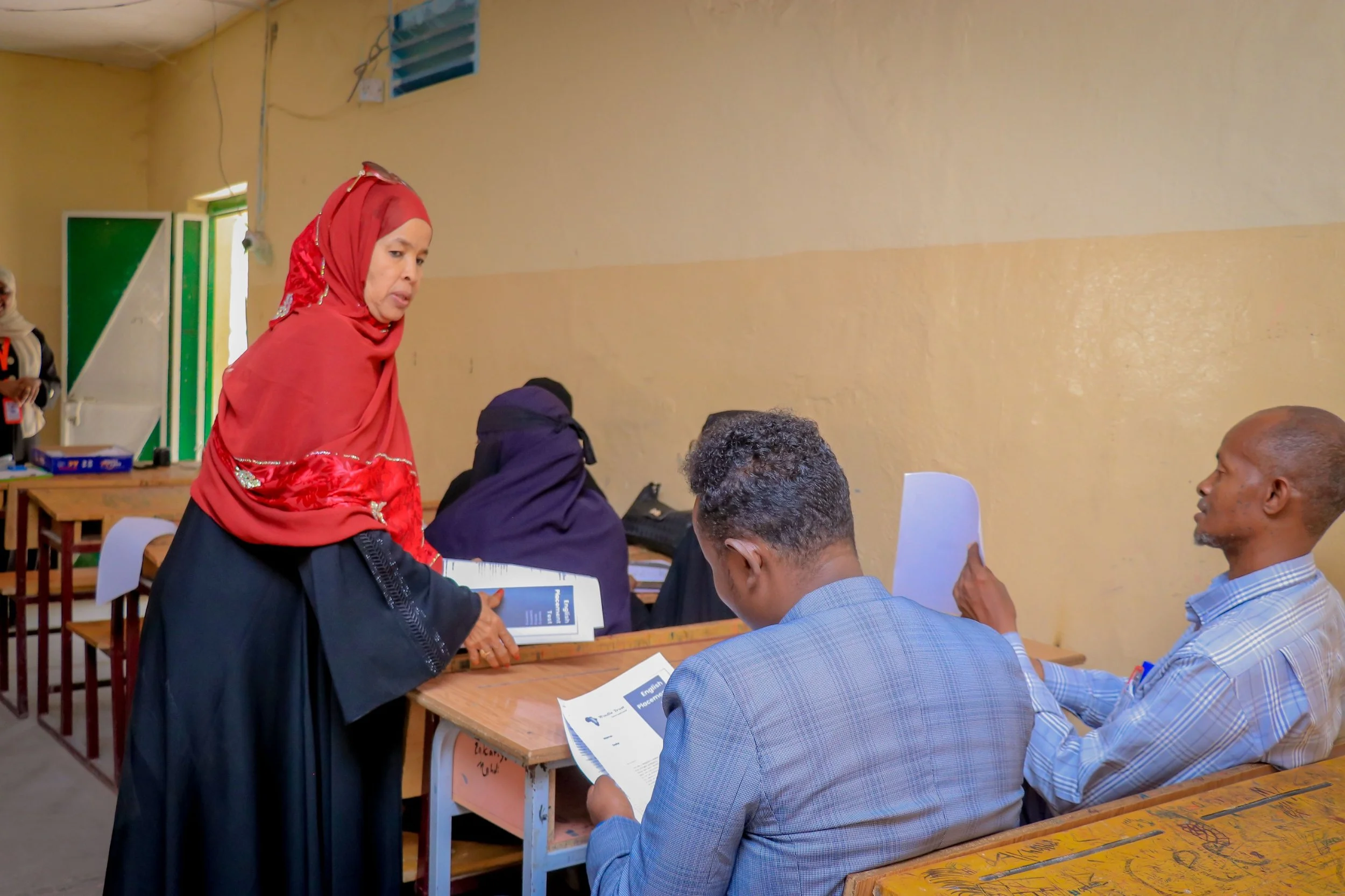
Amina, pictured left, distributing tests during WTI's public teacher placement assessment in May 2025 in Hargeisa.
On International Women’s Day, Amina Casayr, Director for the Hargeisa District Office of the Ministry of Education and Science, shares her perspective on the transformative power of education for girls in Somaliland.
With nearly 30 years of experience in education, and the last five years serving as District Director overseeing 256 schools, 1,382 teachers and staff, and more than 93,500 students, Amina brings both classroom experience and system-level leadership to this conversation with Fahima and Khalid from the WTI Somaliland team.
Amina, thank you for taking the time to share your thoughts with us. How would you describe the landscape of education in Somaliland and how it has changed?
In the early days after the Somali Civil War, the system was very weak. Infrastructure was limited, resources were scarce, and very few girls were enrolled in school. But education in Somaliland is stronger today than it has been in the past. Compared to earlier years, girls are in a much better position. Enrolment has increased significantly. In many cases, girls are highly active in class and often rank among the top-performing students. The change from 30 years ago is remarkable.
One of the most important developments has been the standardisation of the national curriculum. Both public and private schools now follow the same curriculum and sit the same national examinations. That consistency has improved fairness and quality across the system.
Today, progress is visible. There are more schools, better organisation, and significantly more girls participating in education. The transformation has been gradual but meaningful.
What areas do you think still require urgent attention?
We have made significant improvements in urban areas, but rural communities still require more support. Girls in rural areas need scholarships and targeted assistance. If we strengthen support there, we will see even greater progress.
We also know that female teachers are critical role models. However, their numbers remain limited. Low salaries and limited employment opportunities discourage some women from entering the profession. Improving working conditions and encouraging recruitment of female teachers would strengthen the system considerably.
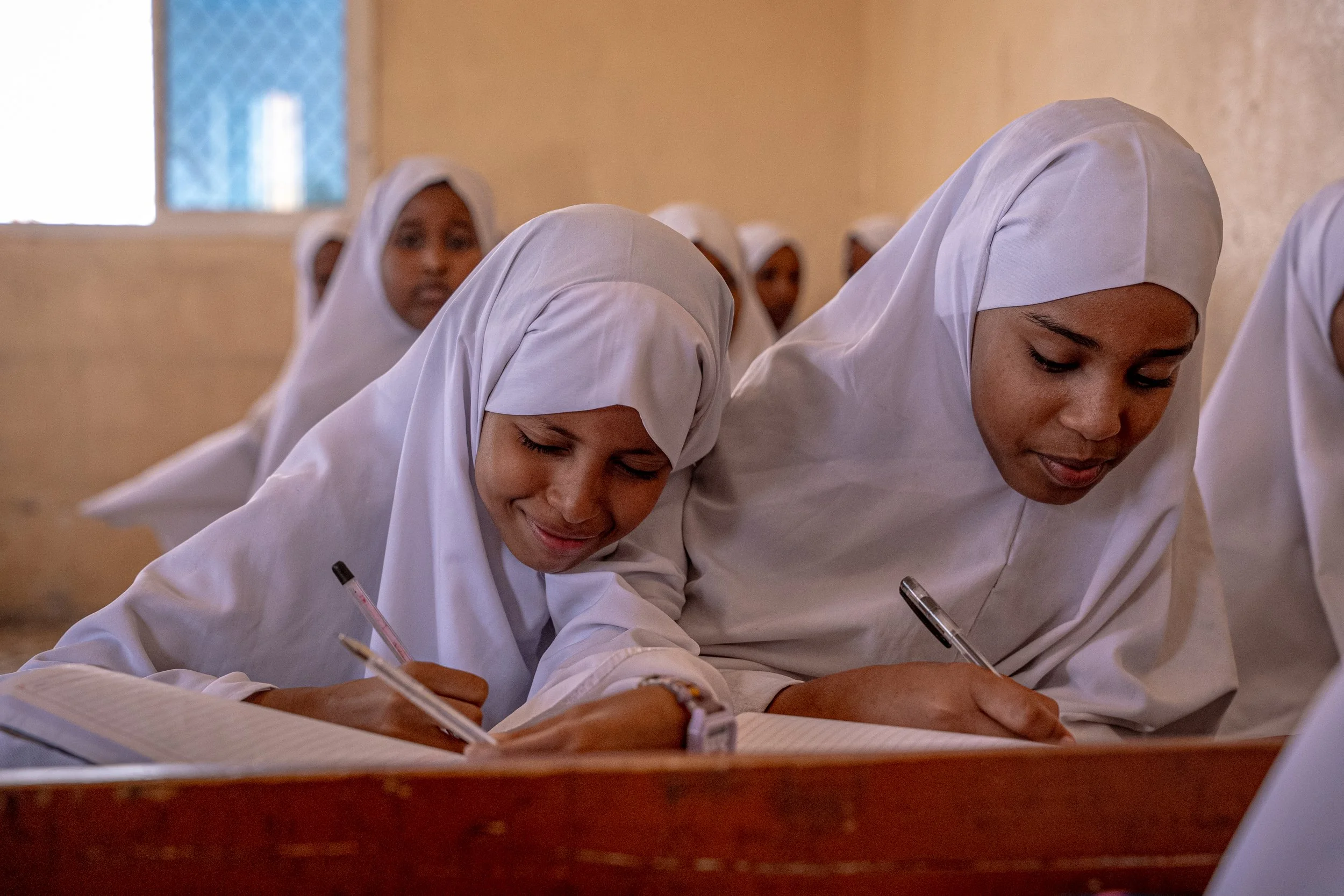
For many talented young women, the biggest challenge is not getting into education but staying in it. What barriers do you still see preventing girls from completing higher education?
The main challenge is financial. Many young women come from low-income families who cannot afford university fees. Without scholarships or financial assistance, continuing higher education becomes difficult. If we expand scholarship opportunities, we will see many more women succeed at university level.
We need expanded scholarship programmes, stronger awareness campaigns, and continued encouragement from families and communities. Rural girls require particular attention, as they are often the most vulnerable to dropping out.
You must have met so many promising students throughout your career. What ripple effects do you see when a woman becomes the first in her family to complete higher education?
Yes, many times. I have taught girls from primary school who now hold senior government and administrative positions. Watching them grow from young students into leaders is one of the most rewarding aspects of my career.
Educated women make a powerful contribution to their families and communities. Women often reinvest their knowledge and income back into their households. The social and economic return is significant.
She brings knowledge, financial support, and new opportunities into her household. She becomes a role model. Her success changes expectations for younger siblings and relatives. The impact extends beyond one individual - it influences the entire family. It creates transformation.
What gives you hope when you think about the next generation of educated women in Somaliland?
I see young women leading companies, managing offices, and taking on decision-making roles. Their confidence and ambition give me hope. Somaliland is moving in a positive direction.
I would tell them: You are capable. Do not limit yourself. Be courageous, work hard, and remain committed to your education. With determination and effort, you will achieve the goals you set for yourself.
We thank Amina for her time and valuable insights on this International Women’s Day. We also thank Fahima, Khalid, and Sahra from the WTI Somaliland team for conducting this interview.
Did you know that during our Big Give Christmas Challenge in December 2025, our supporters helped raise £68,400 for female teacher scholarships, supporting 50 individuals on their journeys? Announcements coming soon!